
Gothermyx logo Gothermyx UI/UX Learning
UI/UX Design Programs

Structured paths through

interface design and user research

Gothermyx organises its learning programs around how designers actually work — from framing a problem to shipping a final interface. Each program combines recorded lectures, live feedback sessions, and hands-on project work in a fixed sequence, so participants build understanding step by step rather than collecting disconnected skills.

4 Programs available
Calgary, AB Local community focus
Live + async Session formats

How these programs are organised

Each program at Gothermyx follows a sequential delivery model — content appears in the order it needs to be understood. A session on visual hierarchy, for example, comes after participants have already worked through layout grids and spacing principles, not before. That ordering is intentional and shapes how much the material sticks.

Programs vary in length, intensity, and assumed starting point. Some are built for people with no prior design background; others assume familiarity with standard tools and skip foundational explanations entirely. The level marker on each program card is there to help you identify where you fit before you commit.

Seat counts are kept small enough that instructors can respond to individual questions during live sessions. When a cohort fills, the program closes until the next cycle opens.

UI/UX design program session with interface layouts and process materials

Current program offerings

Four programs are running this cycle. Each one has a fixed schedule, a stated difficulty level, and a defined seat limit.

UX Design Beginner

UX Design Foundations: From Zero to First Portfolio Piece

A hands-on starting point for anyone curious about UX design. No prior experience required — just a willingness to think about people and problems.

6 min read 6 weeks
4 seats left seats left

UI Design Intermediate

UI Design and Visual Systems: Building Interfaces That Hold Together

For designers who already know the basics and want to produce interfaces with real visual consistency — design systems, component libraries, and all.

5 min read 6 weeks
7 seats left seats left
UX Research Intermediate / Advanced

UX Research Methods: Running Studies That Actually Influence Decisions

A focused course on research craft for designers and researchers who want their findings to land with product teams, not sit unread in a shared drive.

7 min read 8 weeks
3 seats left seats left
Product Design Senior / Advanced

End-to-End Product Design Workflow for Senior Designers

A senior-level course covering the full product design cycle — from shaping ambiguous problems to shipping with engineering and measuring what happened after.

8 min read 8 weeks
5 seats left seats left

Practical details worth knowing

Participants regularly ask the same set of questions before enrolling. The answers below reflect how the programs actually run, not how they are marketed.

  • 01 Programs run in scheduled cohorts, not on-demand. Start dates are fixed and do not shift once enrolment closes.
  • 02 All live sessions are recorded. Participants who miss a session can watch the recording before the next one.
  • 03 Feedback on project work is given in group review sessions, not via individual written critiques for every submission.

Each program has a set weekly rhythm — usually two to three sessions per week with asynchronous material released between them. Attendance at live sessions is tracked but not mandatory; however, participants who miss more than two consecutive live sessions in a row typically find the project work harder to complete without the context those sessions provide.

Live sessions are scheduled in Mountain Time (Calgary). Recordings are posted within 3 hours of session end so participants in other time zones can follow along without watching live.
Standard sessions run 75 minutes with a short break at the halfway point. Project review sessions are 90 minutes and structured as group crits rather than lectures.

Most programs use Figma as the primary design tool. A free Figma account is sufficient for beginner and intermediate programs. Advanced programs may require a paid plan for specific prototyping features — this is stated clearly on the individual program page before enrolment.

Any laptop or desktop from the past 5 years running a modern browser handles the coursework without issues. No specific operating system is required.
Reading materials and reference documents are provided as PDFs or shared links. No textbook purchases are required for any current program.

Participants who complete all project submissions receive a certificate of completion from Gothermyx. The certificate records the program name, duration, and completion date. It is a record of participation and project completion — it does not carry formal academic accreditation.

Project files and feedback recordings remain accessible to participants for 12 months after the program ends, giving time to revisit and incorporate work into a professional portfolio.

Who leads these sessions

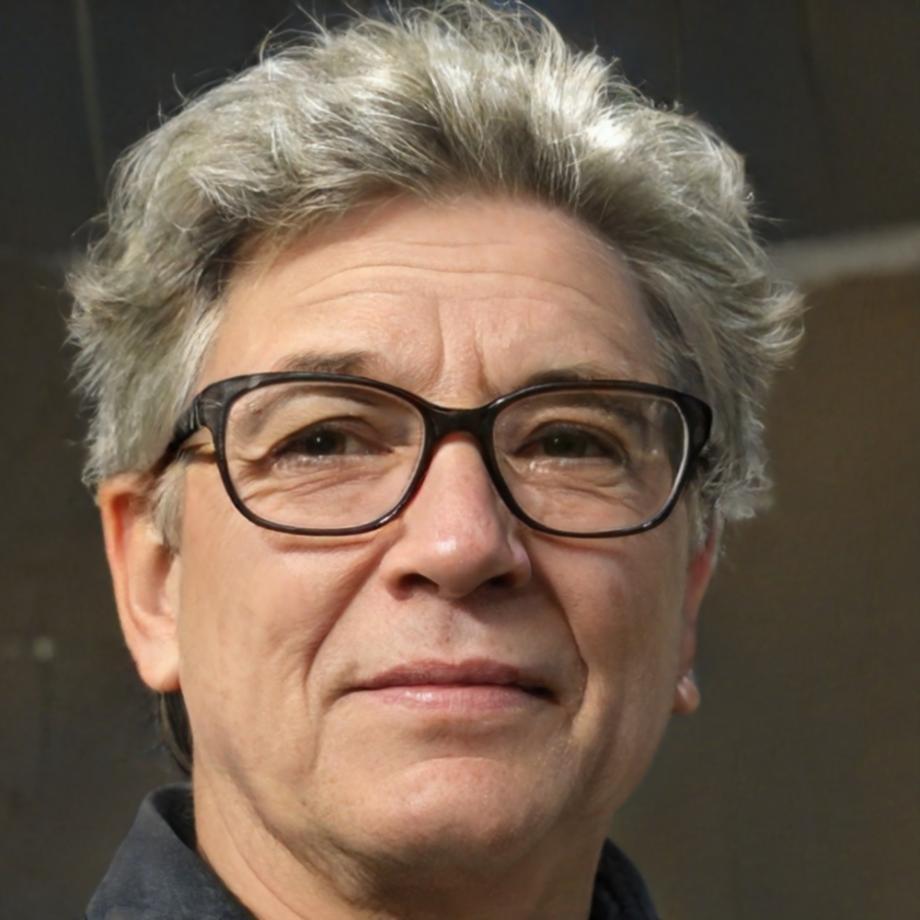
Portrait of Gothermyx UI/UX instructor

Torben Halvorsen

Lead Instructor — Interaction Design

Torben has been working in product design for eleven years, with most of that time spent on consumer-facing applications. He runs the intermediate and advanced programs and focuses his sessions on the gap between visual decisions and user behaviour data.

Portrait of Gothermyx UI/UX instructor

Darragh Ó Murchú

Instructor — Foundations and Research

Darragh teaches the beginner-level programs and the user research modules that run across all levels. His background is in cognitive psychology, and he brings that perspective into how he structures explanations — starting with why users behave the way they do before addressing how to design for it.